February 28, 2026
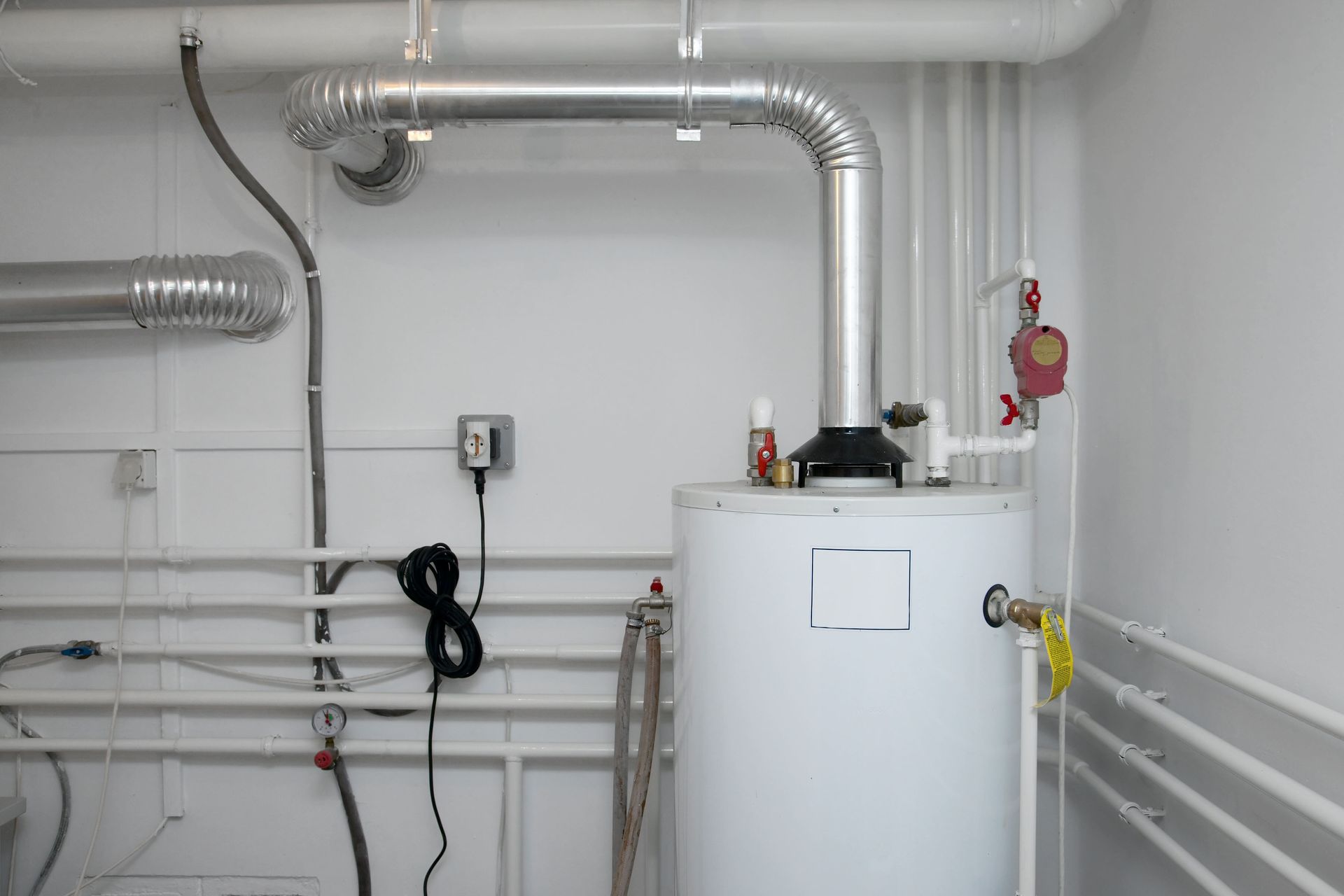
Your water heater is one of the most essential appliances in your home. From warm showers in the morning to washing dishes at night, you rely on it every single day. Most homeowners don’t think about their water heater until something goes wrong—but by then, the issue may already be costly. Recognizing these 10 early warning signs of trouble can help you schedule water heater repairs before a minor problem turns into a major breakdown.
1. Inconsistent or Fluctuating Water Temperature
If your hot water suddenly turns cold mid-shower or fluctuates between hot and lukewarm, your water heater may be struggling. Inconsistent temperatures often point to issues such as a failing heating element, sediment buildup inside the tank, or a malfunctioning thermostat. Over time, minerals from your water supply settle at the bottom of the tank and form a barrier between the burner and the water. This forces the system to work harder and reduces efficiency. Ignoring this sign can lead to complete heating failure. A professional inspection can determine whether a simple component replacement or tank flush will restore consistent performance.
2. No Hot Water at All
A complete lack of hot water is one of the most obvious signs you need water heater repairs. For electric models, this may indicate a failed heating element or tripped breaker. For gas units, the issue could stem from a faulty pilot light, gas valve problems, or burner failure. In some cases, the thermostat may not be functioning properly. Before assuming the worst, check your circuit breaker or pilot light. However, if those appear normal, it’s best to contact a professional. Continuing to operate a malfunctioning water heater can strain other components and potentially create safety risks.
3. Strange Noises Coming from the Tank
Water heaters are typically quiet. If you start hearing rumbling, popping, banging, or crackling sounds, sediment buildup is often the culprit. As minerals harden at the bottom of the tank, trapped water bubbles up through the sediment layer, creating unusual noises. This buildup reduces efficiency and causes the tank to overheat. Over time, it can weaken the tank lining and lead to leaks. While flushing the tank may resolve minor buildup, persistent noises may indicate deeper issues requiring professional water heater repairs. Ignoring unusual sounds can shorten the lifespan of your unit significantly.
4. Discolored or Rusty Water
If your hot water appears rusty, brown, or cloudy, it could signal corrosion inside the water heater tank or pipes. Most tanks contain a sacrificial anode rod designed to attract corrosive elements and prevent tank deterioration. Once that rod wears out, rust can begin forming inside the tank. If corrosion is caught early, replacing the anode rod may solve the issue. However, if rust is widespread, the tank may be nearing the end of its lifespan. Discolored water should never be ignored, as internal corrosion can eventually cause leaks and water damage.
5. Water Leaks Around the Unit
Any visible moisture or pooling water around your water heater requires immediate attention. Leaks may stem from loose connections, faulty valves, cracked fittings, or internal tank damage. While some minor leaks can be repaired by tightening connections or replacing small components, a leaking tank often indicates structural failure. Even small drips can escalate into significant flooding if left unresolved. Water damage can affect flooring, walls, and nearby appliances, increasing the cost of water heater repairs. At the first sign of a leak, shut off the water supply and contact a professional to assess the situation.
6. Reduced Hot Water Supply
If your household suddenly runs out of hot water faster than usual, your water heater may not be operating efficiently. Sediment buildup reduces the available space in the tank, limiting the amount of heated water stored. Alternatively, a failing heating element may not fully heat the water before it is used. Households that have recently grown in size may also notice insufficient supply if the current unit is undersized. A technician can evaluate whether flushing the tank, replacing a heating element, or upgrading the unit is the best solution to restore adequate hot water capacity.
7. Low Hot Water Pressure
Decreased water pressure when using hot water fixtures can point to mineral buildup inside the tank or pipes. Over time, sediment and scale accumulate and restrict water flow. This buildup can also affect valves and fittings, further reducing pressure. While low pressure may seem like a minor inconvenience, it often signals underlying issues that can worsen. Cleaning or replacing clogged components may restore normal flow. If left untreated, restricted water movement can strain your plumbing system and decrease the overall efficiency of your water heater.
8. Foul-Smelling Hot Water
If your hot water smells like rotten eggs, bacteria may be growing inside the tank. This odor is commonly caused by a reaction between bacteria and the anode rod, particularly in homes with well water. Flushing the tank and replacing the anode rod can often eliminate the smell. In some cases, disinfecting the tank is necessary. Persistent odors should not be ignored, as they can indicate contamination that affects water quality. A professional can determine the root cause and recommend the appropriate water heater repairs to restore clean, odor-free hot water.
9. Rising Energy Bills
An unexplained increase in your utility bills may indicate your water heater is losing efficiency. As sediment accumulates or components wear out, the unit must work harder to heat water. This increased workload consumes more energy and drives up monthly costs. Even if your system still produces hot water, declining efficiency often signals the need for maintenance or water heater repairs. Addressing small issues early can improve performance and reduce long-term operating expenses. Routine inspections and annual flushing help prevent energy waste and extend the life of your water heater.
10. The Unit Is Aging
Most traditional tank water heaters have a lifespan of eight to 12 years, and tankless water heaters can have a lifespan of up to 20 years, according to The Spruce. If your unit falls within or exceeds this range, it may begin showing signs of wear. Older systems are more prone to corrosion, sediment buildup, and component failure. Even if it still functions, frequent repairs may become necessary. If your water heater is aging and exhibits multiple warning signs, replacing it may be more cost-effective than continued repairs. A professional evaluation can help you determine whether repair or replacement is the smarter long-term investment.
Why Prompt Repairs Matter
Delaying water heater repairs can lead to more than just cold showers. Small issues, such as minor leaks or sediment buildup, can quickly escalate into major damage. A ruptured tank can cause flooding, structural damage, and mold growth. Additionally, faulty gas water heaters may present safety hazards if not properly maintained. Prompt repairs protect your home, conserve energy, and ensure reliable performance. Scheduling regular maintenance and responding quickly to warning signs can prevent emergency situations and costly replacements.
Your water heater works hard behind the scenes every day. Paying attention to early warning signs can help you avoid inconvenient breakdowns and expensive water heater repairs. Our team at ACCU Plumbing LLC serves Blue Springs, MO, and surrounding areas with quality plumbing solutions. Our certified Master Plumbers offer a one-year parts and labor warranty on our work, and we also offer 10% discounts for veterans and seniors. Contact us today to get started!