June 1, 2026
Daily household routines rely heavily on a consistent, quiet supply of hot water, which acts as an unsung hero of domestic comfort. From the refreshing warmth of an early morning shower to the sterile requirements of washing dishes and cleaning clothes, thermal energy is central to modern sanitation. Yet, most homeowners do not dedicate much thought to their heating systems until a sudden blast of cold water interrupts their routine, signalling a major mechanical breakdown. When faced with the need to replace an aging system, you are immediately confronted with a fundamental technological fork in the road. Deciding whether to install a traditional storage cylinder or transition to a modern, on-demand heating unit is a significant choice. Seeking the objective guidance of professional residential plumbers is the most reliable way to navigate this complex decision and secure a reliable system.
The decision is not merely a matter of choosing a brand or a purchase price; it requires a deep dive into the physics of heat transfer, utility capacities, and family usage patterns. Traditional heaters have served neighborhoods dependably for generations, relying on a simple, proven approach of keeping a large reservoir of water hot at all times. In contrast, on-demand heaters represent a highly efficient, space-saving technological shift, heating water only when a tap is opened. Each system possesses a distinct set of operational advantages and mechanical limitations. By taking a proactive approach to understanding these technologies, you can make a smart, informed investment that lowers your ongoing energy bills. This guide explores the core differences, helping you partner with certified professionals to select the perfect fit.
Evaluating Traditional Storage Tanks
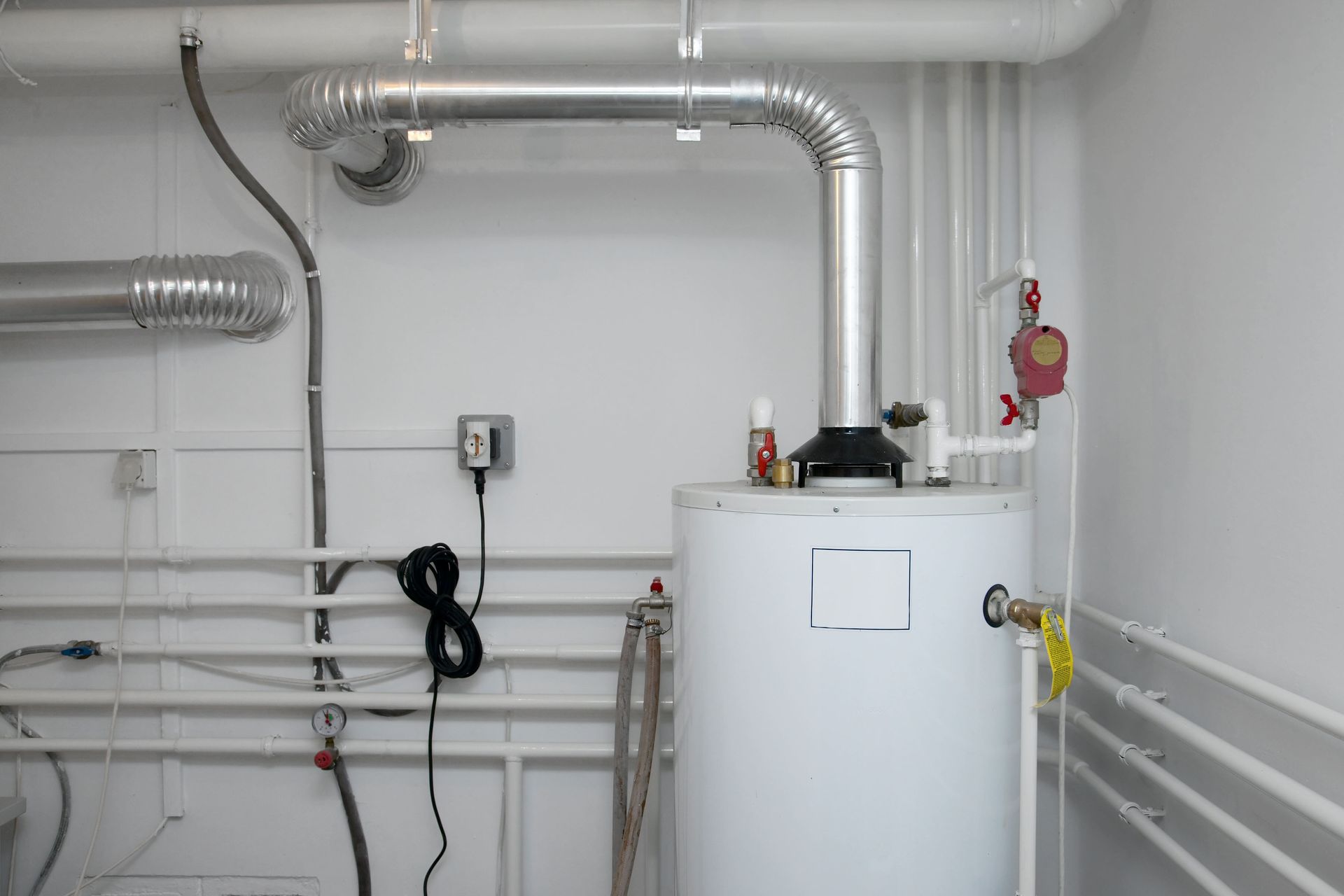
To make an informed choice, you must first understand how traditional storage systems maintain your hot water supply under constant pressure. These classic configurations utilize an insulated steel cylinder that sits in a basement, utility closet, or garage, holding a dedicated volume of water at a pre-set temperature. A heating element or gas burner at the base of the tank keeps the reservoir warm, cycle after cycle, regardless of whether a tap is open. When a family member turns on a hot water faucet, preheated water is drawn from the top of the cylinder and pushed through the plumbing lines. Simultaneously, cold water enters the bottom of the tank to be heated for the next usage cycle. The sheer volume of this storage capability is a defining characteristic of traditional residential setups. According to This Old House, standard tank water heaters can hold up to 120 gallons of water at once. This massive reserve ensures that a high volume of hot water is immediately available, making these systems a dependable staple for large families with high initial demands.
Assessing Tankless On-Demand Performance
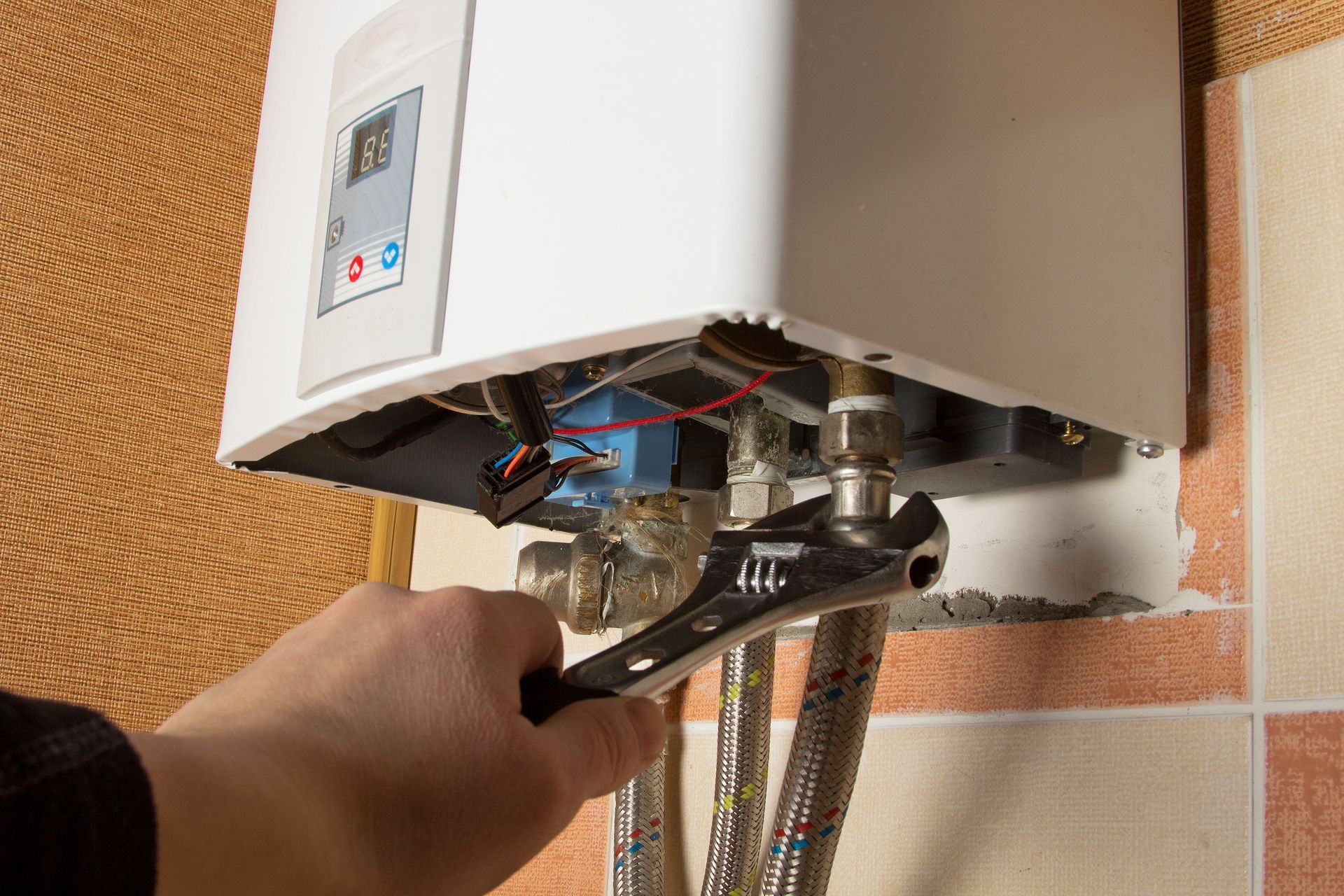
In contrast to the continuous storage approach, on-demand systems completely eliminate the need for a massive holding cylinder. Instead of keeping many gallons of water hot throughout the day and night, these compact units remain completely inactive until a hot water tap is turned on somewhere in the home. When water begins to flow through the unit, advanced flow sensors activate a series of high-powered gas burners or electric heating elements instantly. The cold water travels through a tightly coiled heat exchanger, absorbing heat rapidly before traveling straight to your shower, faucet, or washing machine. This instantaneous heating process means that the system will never run out of hot water, providing a virtually endless stream of warmth as long as the tap remains open. Discussing this modern alternative with experienced residential plumbers allows you to determine if your home's gas or electrical lines can support the high energy bursts required to operate these systems safely and effectively.
Comparing Upfront Installation Expenses
While long-term performance is a major consideration, the initial capital investment required for purchase and installation is often the deciding factor for many homeowners. Traditional storage tank heaters are significantly less expensive to purchase upfront, and their straightforward design makes them simple to install or replace. If you are replacing an old tank with a new model of the same type, the process is quick and requires minimal modifications to your existing plumbing or venting lines. Conversely, transitioning to an on-demand system involves a substantial initial expense, as the units themselves are more costly and the installation process is highly complex. Converting a home to tankless technology often requires rerouting gas lines, upgrading to heavy-duty venting systems, and modifying water lines to fit the compact wall-mounted unit. Securing the services of licensed residential plumbers is absolutely essential for this conversion, ensuring that the new unit complies with strict local building codes and operates with maximum safety and efficiency.
Analyzing Long-Term Energy Efficiency
The primary financial justification for investing in on-demand technology lies in its exceptional energy efficiency and lower monthly utility costs. Traditional storage systems suffer from a phenomenon known as standby heat loss, which occurs as heat continuously escapes through the insulated walls of the tank. To maintain the pre-set temperature, the burner or heating elements must cycle on and off throughout the day and night, even when your family is asleep or away on vacation. This continuous cycling wastes a significant amount of energy, driving up your monthly utility bills. Because on-demand units only consume energy when hot water is actively flowing, they eliminate standby heat loss entirely. This operational efficiency translates into direct, substantial savings on your gas or electric bills over time, allowing the system to eventually pay for itself. Discussing these potential utility savings with your local service team can help you calculate the precise payback period for your investment.
Estimating Mechanical Operational Lifespans
The overall durability and lifespan of your heating hardware represent another critical aspect of your long-term return on investment. Traditional storage tanks are constantly exposed to pressurized, hot water, which inevitably leads to mineral accumulation and metal corrosion over time. Even with regular maintenance, such as flushing the sediment and replacing the sacrificial anode rod, standard steel tanks typically have an operational lifespan of only 10 to 15 years before they develop rust and require a full replacement, according to our team. On-demand systems, which do not store standing water, are far less susceptible to this slow, corrosive degradation. Most tankless units are constructed with high-quality, replaceable copper or stainless-steel components, allowing them to last for twenty years or more when maintained properly, according to our team. This extended lifespan reduces the frequency of major system replacements, providing long-term reliability that offsets the higher initial purchase price and keeps your home comfortable for decades.
Factoring Household Hot Water Demands
Understanding how your family consumes hot water on a daily basis is essential for determining which technology will deliver the best experience in your home. Traditional storage cylinders excel at delivering massive volumes of hot water simultaneously across multiple fixtures because the preheated water is already waiting in reserve. You can easily run a shower, wash a load of laundry, and operate the dishwasher at the same time without experiencing a drop in water temperature, until the tank is depleted. Tankless units, however, are limited by their flow rate, meaning they can only heat a specific number of gallons per minute. If multiple high-demand fixtures are operated simultaneously, the system can become overwhelmed, resulting in a sudden drop in water temperature or flow. Consulting with professional residential plumbers is the best way to calculate your household's peak demand, ensuring you select a unit with the physical capacity to keep up with your family’s simultaneous needs.
At ACCU Plumbing LLC, we are committed to helping you make the right choice for your home by delivering reliable, high-quality installation and repair services. We understand the unique benefits of both systems and work closely with you to find a solution that matches your family's daily needs and budget. Contact our team of expert
residential plumbers today to schedule your consultation and take the first step toward a more comfortable home.