June 15, 2026
In kitchens all across the country, pouring leftover cooking grease directly into the sink is a common but highly destructive habit. While it seems like an easy way to clean up after preparing a meal, this practice causes severe long-term issues for household pipes, municipal infrastructure, and local ecosystems. Understanding these specific structural hazards helps homeowners make smarter decisions regarding their daily waste management. When plumbing issues inevitably arise from improper disposal habits, seeking a professional drain service can successfully restore your pipes and protect your property from damage.
Understand Cooking Grease and Its Composition
Cooking grease is a complex, semi-solid substance composed of animal fats and vegetable oils left behind after preparing delicious meals. Common kitchen sources include bacon drippings, frying oils, butter, lard, rich gravy, and various dairy products. Although these greasy substances appear fluid and entirely harmless when hot, they quickly transform into a sticky, stubborn residue as they cool down inside residential plumbing lines.
Chemically, cooking grease consists of hydrophobic molecules like triglycerides and free fatty acids that separate from water completely. This molecular composition prevents the material from flushing through the drainage system smoothly, causing it to cling aggressively to the interior pipe walls. Over time, it reacts with alkaline chemicals in wastewater to form hardened, soap-like deposits that resist normal water flow and cause severe backups.
The physical traits of cooking fats vary significantly based on room temperature and their biological origin. Animal products solidify rapidly into thick layers, while vegetable oils remain liquid longer but still coat pipe interiors with a thick layer of sludge. This accumulated buildup continuously narrows the drainage passageways, restricting water flow and creating massive plumbing issues for unsuspecting residential homeowners.
Evaluate the Immediate Impact on Plumbing
Dumping fat into the kitchen sink leads directly to severe pipe blockages as the material solidifies over time. According to data from the EPA, grease is responsible for nearly half of the 400,000 sewer line blockages that occur every year. This massive volume of blockages demonstrates how individual household habits collectively place an immense, costly burden on community wastewater infrastructure systems.
Homeowners frequently face exorbitant repair bills and major domestic disruptions due to these avoidable plumbing failures. As grease layers accumulate, they trap other debris like food particles, completely closing off the pipe and requiring an emergency drain service to clear the backup. These severe blockages can crack residential lines, warp joint connections, and cause extensive water damage throughout the property.
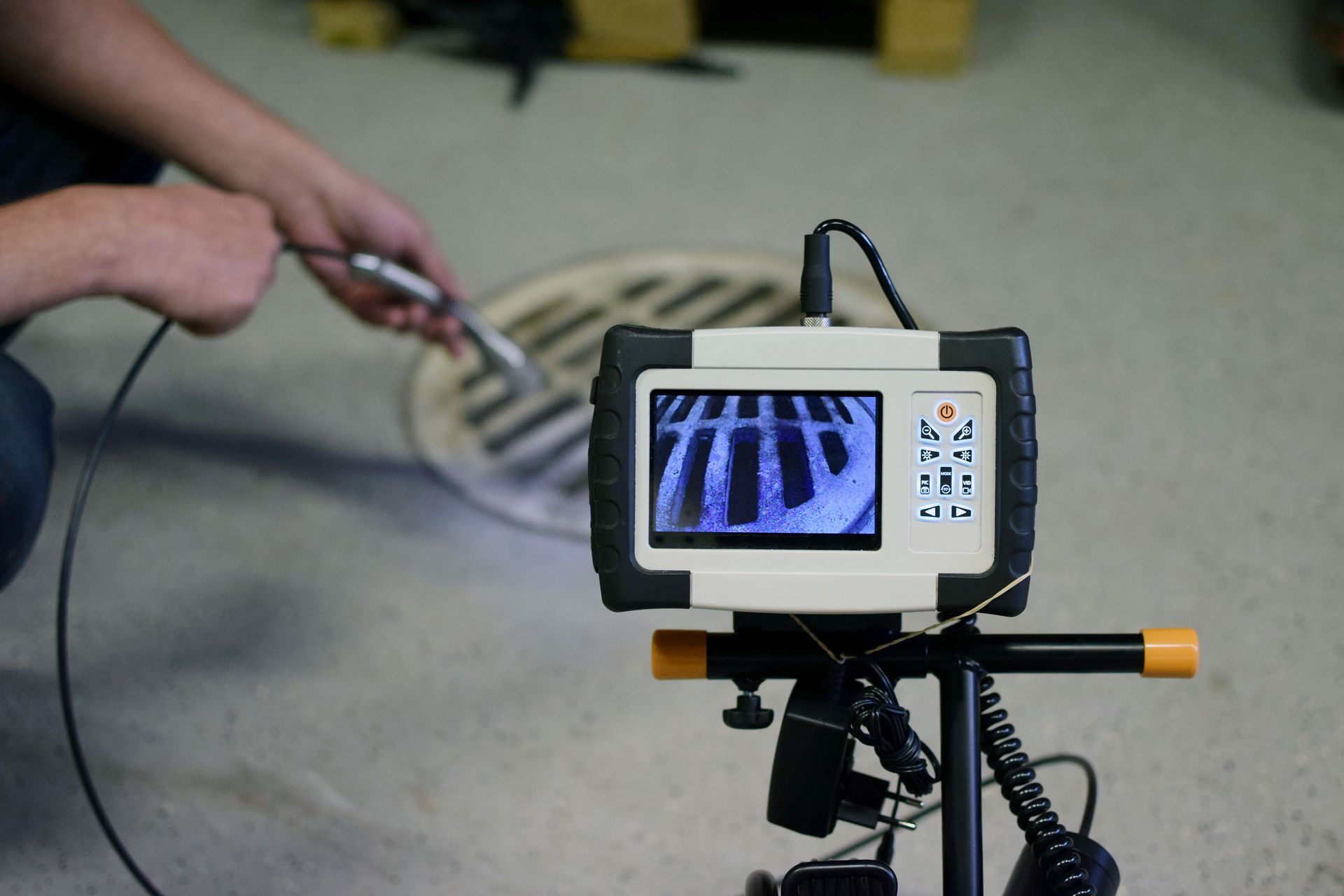
Investing in a routine drain service is an excellent way to clear out accumulated residue before it causes a total system failure. Plumbing technicians utilize advanced methods like high-pressure hydro-jetting to completely scrub pipe interiors clean of sticky buildup. Homeowners can also install specialized grease traps under their kitchen sinks to intercept cooking fats before they enter the main lines.
Analyze the Broader Environmental Consequences
The environmental consequences of improper fat disposal extend far past residential properties into local public waterways. When cooking residue escapes the domestic sewage system, it flows into nearby rivers, streams, lakes, and oceans. The resulting oily film on the water surface blocks critical sunlight, which disrupts aquatic plant photosynthesis and severely lowers oxygen levels necessary for marine life.
Urban sewer systems face a unique and growing threat known as fatbergs, which are monolithic masses of congealed grease and non-biodegradable waste. These massive structures clog municipal mainlines, often requiring an industrial drain service and enormous amounts of city resources to clear safely. Combating these urban monsters requires widespread public awareness and immediate changes in daily household cooking habits.
Aquatic wildlife bears the heaviest burden of this environmental pollution as ecosystems become toxic and heavily degraded. Birds and marine mammals exposed to grease lose their natural insulation, leaving them highly vulnerable to hypothermia. Fish populations also suffer as their primary feeding grounds are destroyed, causing a sharp decline in regional biodiversity and overall ecosystem health.
Recognize the Health and Safety Risks
Serious public health concerns arise when municipal mainlines back up and contaminate local drinking water sources. Raw sewage overflows caused by fat accumulation release dangerous pathogens, viruses, and bacteria directly into public spaces and neighborhoods. Decomposing organic matter inside residential pipes also produces foul odors and attracts disease-carrying pests into closely populated neighborhood areas.
Residential safety is also heavily compromised because accumulated cooking fat represents a major fire hazard near kitchen stoves. Grease fires spread with incredible speed and cannot be extinguished with water, making them exceptionally dangerous for families. Keeping cooking surfaces clean, utilizing proper ventilation, and avoiding the sink disposal of hot oil are vital steps for household fire protection.
Many property owners mistakenly rely on harsh chemical cleaners to dissolve stubborn blockages, which often worsens the situation. These caustic substances corrode plumbing materials, release toxic fumes into the home, and contaminate the local environment. Hiring an expert drain service provides a much safer, eco-friendly alternative for eliminating tough blockages without damaging home infrastructure.
Adopt Alternative Cooking Grease Disposal Methods
Rather than washing cooking fats down the sink, households should explore sustainable recycling options. Many progressive municipalities collect used cooking oil to convert it into clean-burning biodiesel fuel for local public transportation. Straining and refrigerating certain fats also allows home cooks to safely reuse them for flavoring future culinary dishes.
Correct disposal involves letting the hot liquid cool completely inside a metal can, glass jar, or disposable container. Once the substance solidifies, the container can be safely tossed directly into the regular household trash bin. This simple kitchen routine completely eliminates the chance of plumbing blockages while protecting the structural integrity of your residential pipes.
When managing large amounts of cooking waste, utilizing a specialized drain service ensures your plumbing remains clear. Professional waste management providers can offer guidance on local drop-off sites designated for hazardous household materials. Embracing these practical disposal methods shows a strong commitment to environmental sustainability and long-term home plumbing maintenance.
Encourage Responsible Waste Management Practices
Public awareness campaigns play an indispensable role in transforming community attitudes toward daily waste management. Educational materials help citizens connect their personal kitchen habits to broader municipal infrastructure expenses and environmental health. Local governments can also implement strict regulations requiring commercial kitchens to maintain fully functional grease interception systems to prevent sewer blockages.
Offering financial incentives can encourage both residents and business owners to follow proper disposal protocols. Tax credits, utility rebates, or free collection containers motivate communities to participate actively in oil recycling programs. Highlighting local success stories further reinforces these positive behaviors, showing the real-world benefits of collective community action.
Scheduling a preventative drain service helps property owners stay ahead of hidden buildup before it turns into an emergency. Routine cleanings ensure that minor grease accumulation is thoroughly cleared out from the system. Taking this proactive step protects your plumbing infrastructure and aligns your household with broader community conservation efforts.
Properly managing household cooking waste is essential for preserving your plumbing system, safeguarding public health, and protecting local waterways. Small changes in daily kitchen habits can prevent catastrophic blockages, reduce expensive repair bills, and keep municipal infrastructure running smoothly. When you need professional help maintaining clear pipes or require an emergency
drain service, contact us at ACCU Plumbing LLC to safeguard your home today.