June 18, 2026
A properly functioning sewer system is essential for maintaining a clean, safe, and comfortable home environment. Because these critical pipes are hidden from plain sight, homeowners often take them for granted until a severe issue disrupts daily life. Facing a major drainage problem can feel overwhelming, especially when the required service involves extensive labor or specialized equipment. However, being proactive and gathering the right information beforehand can make the entire process significantly less stressful. Educating yourself about what happens during an assessment, how to prepare your property, and what questions to ask your chosen professional ensures that you remain in control of the situation. Knowing what to expect allows you to make informed decisions that protect your property. By taking the time to understand the basics of subterranean drainage maintenance, you can navigate the repair process with confidence.
Recognizing the Warning Signs
Identifying potential drainage issues early is the most effective way to prevent catastrophic damage to your property. Often, a failing system will present subtle clues well before a complete blockage occurs. You might notice that sinks, bathtubs, and showers are draining much slower than usual, even after attempting basic clearing methods. Strange, gurgling noises emanating from the toilet or drains also indicate trapped air fighting against a blockage deep within the pipes. Unpleasant odors resembling rotten eggs or raw sewage lingering around your yard or basement are clear indicators of a breach. Furthermore, you might spot unexplainable patches of vibrant, lush grass growing rapidly in specific areas of your lawn, which suggests that subterranean waste is acting as fertilizer. Paying close attention to these warning signs allows you to act promptly. Ignoring these hints can lead to severe structural damage, making it vital to contact a reliable plumber at the initial sign of trouble.
Preparing the Property for Inspection
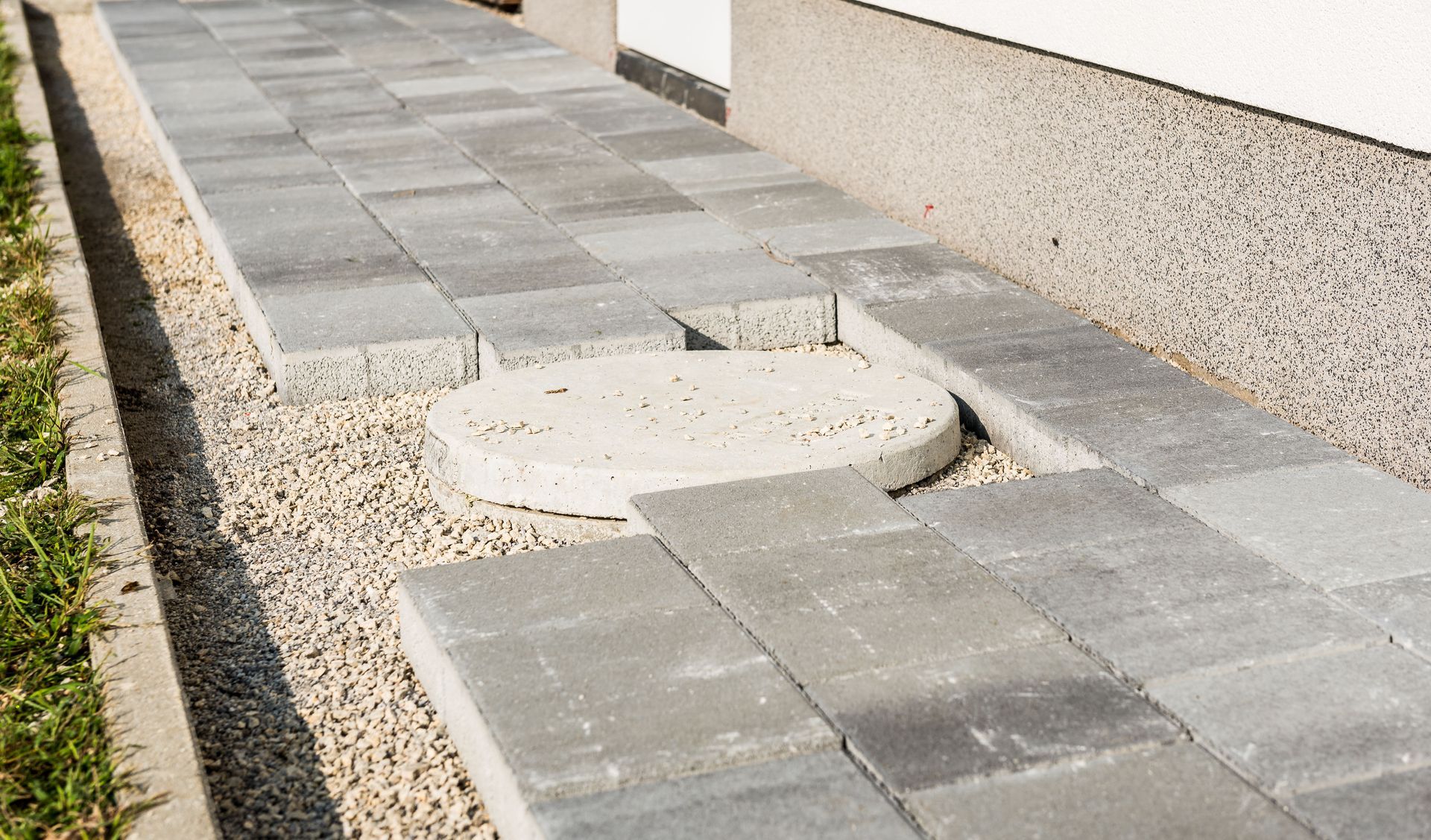
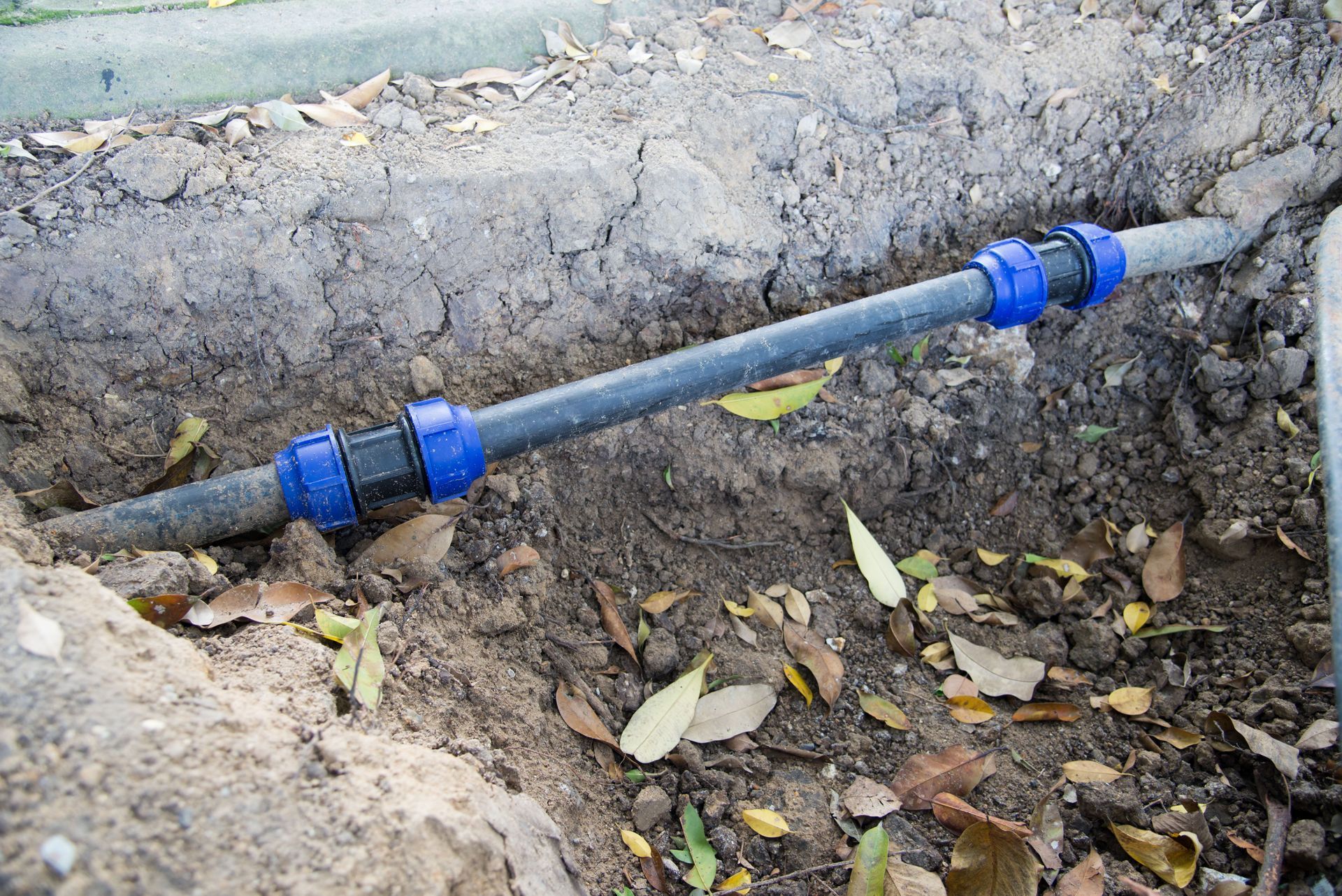
Once you suspect an issue and schedule an assessment, preparing your property can streamline the diagnostic process. Technicians need clear access to the main cleanout point, which is typically located in a basement, crawlspace, or near the exterior foundation. Removing clutter, storage boxes, and debris from around this access point saves valuable time and allows the service team to begin their work immediately. If the issue requires exterior excavation or a camera inspection, clearing the yard of movable obstacles like lawn furniture, potted plants, or children's toys is also highly recommended. Understanding the depth and location of your system can also alleviate anxiety about potential yard disruption. According to This Old House, sewer lines are usually located two to six feet below the ground. Because these pipes are buried at such depths, gaining access to them might require specialized digging equipment. By clearing the work area in advance, you help the hired plumber work more efficiently while minimizing accidental damage to your personal belongings.
Exploring the Common Repair Methods
Modern advancements in subterranean maintenance have introduced various techniques for resolving blockages and repairing damaged pipes. Traditionally, addressing a deep breach required significant excavation, essentially digging a large trench across the yard to expose and manually replace broken segments. While this traditional method remains necessary for severely collapsed systems, less invasive alternatives are now widely available. Trenchless repair techniques have revolutionized the industry by allowing technicians to fix pipes with minimal disruption to the surrounding landscape. Methods such as pipe bursting or epoxy relining essentially create a new pipe within the existing damaged structure. These innovative solutions preserve your landscaping, driveway, and hardscaping elements. When discussing the issue with your plumber, ask about all available options. Every property presents unique challenges, and the optimal solution depends on the specific nature of the damage, existing pipe material, and landscape topography.
Communicating With Your Professional
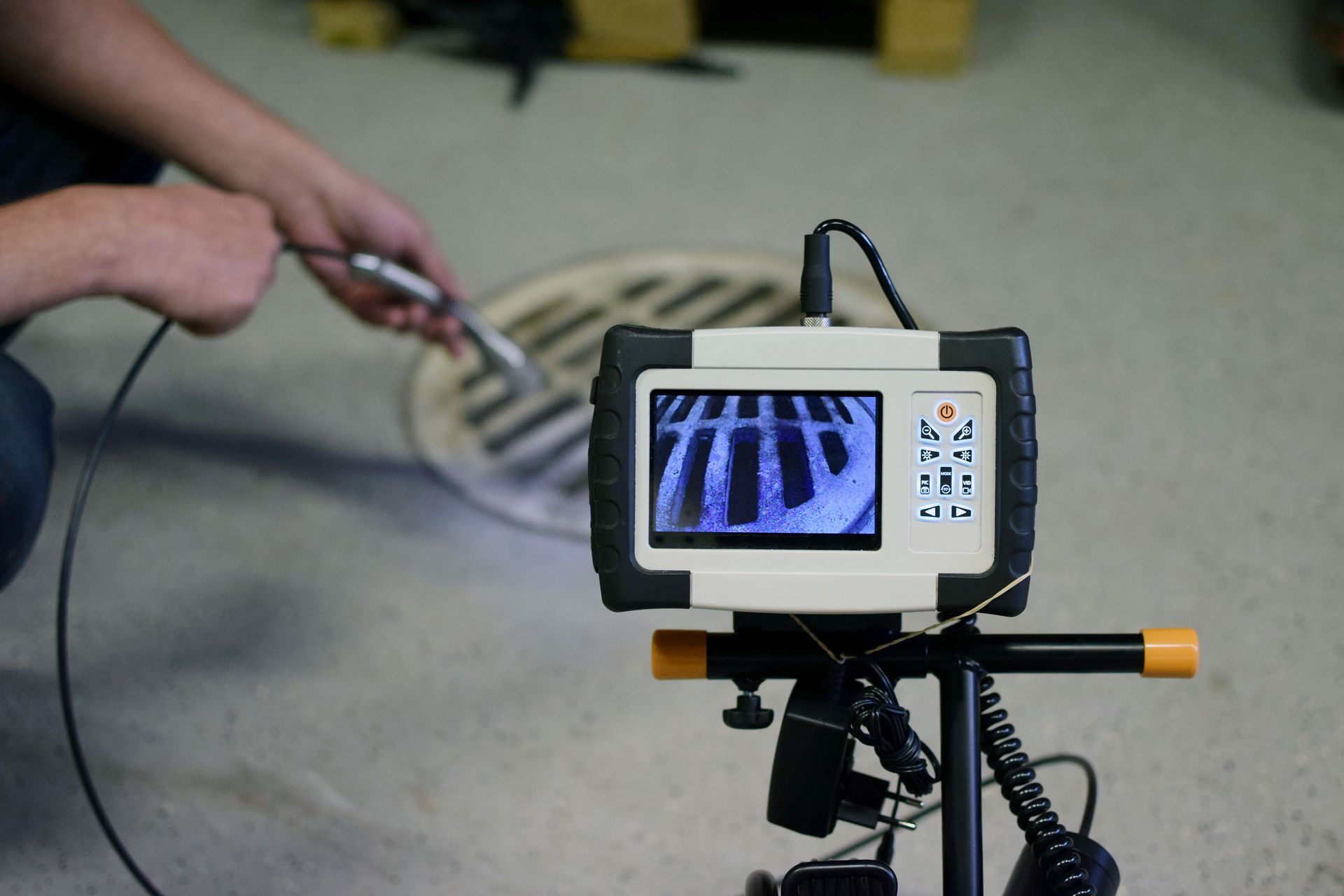
Establishing clear and open communication with your chosen technician is paramount to a successful repair project. Before any work begins, request a detailed explanation of the diagnostic findings. Reputable professionals often use high-definition cameras attached to flexible cables to visually inspect the interior of the pipes, and they should be willing to share this footage with you. Reviewing the camera feed together helps you visualize the exact nature of the blockage, whether it is caused by invasive tree roots, accumulated grease, or collapsed pipe sections. Ask your plumber to explain the proposed repair strategy, the expected duration of the labor, and any potential risks involved. A trustworthy expert will welcome your questions and provide transparent answers without relying heavily on confusing industry jargon. Requesting an itemized estimate outlining the costs of labor, materials, and any required permits ensures that you are financially prepared for the project and prevents unexpected surprises on the final bill.
Mitigating the Environmental Impact
Addressing a major subterranean drainage issue inevitably involves interacting with the local environment, particularly the soil and groundwater surrounding your property. Leaking wastewater poses a significant contamination risk to local ecosystems, making swift repairs an environmental responsibility as much as a personal obligation. When raw sewage escapes from broken pipes, it can saturate the soil, introducing harmful bacteria and pathogens into the immediate environment. Choosing the right repair technique can also influence your ecological footprint. For instance, trenchless repair methods generate significantly less displaced earth and require less heavy machinery operation compared to traditional excavation, thereby reducing fuel emissions and habitat disruption. Discussing environmental considerations with your plumber can help you select a repair method that prioritizes ecological safety. Furthermore, proper disposal of any contaminated soil or hazardous materials removed during the excavation process is essential. Ensuring that your service provider adheres to strict environmental regulations guarantees that the repair project protects both your property and the broader community ecosystem.
Maintaining the System Post-Service
Following a comprehensive repair or replacement, implementing a proactive maintenance routine is crucial for extending the lifespan of your newly restored system. The most effective preventative measure is monitoring what goes down your drains. Toilets should only process human waste and toilet paper; items like flushable wipes and paper towels should always be discarded in a trash bin. In the kitchen, avoid washing cooking grease, coffee grounds, and fibrous food scraps down the sink, as these materials easily coagulate and form stubborn blockages. Planting trees well away from the drainage path also prevents invasive root systems from seeking out moisture inside the pipes and causing breaches. Scheduling periodic inspections with a qualified plumber ensures minor issues are caught and resolved before escalating into major emergencies. Consistent maintenance habits ultimately save you significant time, stress, and resources by preventing recurrent drainage disasters.
Handling the Post-Service Cleanup
Once the repair work concludes, the final phase involves restoring your property to its original condition. If the service required traditional trenching, the technicians would backfill the excavated area, but you might need to arrange for landscaping restoration to repair the lawn or gardens. Trenchless methods leave a much smaller footprint, often requiring only minimal cleanup around the primary access points. It is important to walk through the work site with the service team to ensure all debris, old pipe fragments, and equipment have been properly removed from the premises. A meticulous plumber will ensure the interior and exterior areas are left spotless, respecting your property as if it were their own. Verifying that the site is clean and safe is especially important if you have pets or small children who use the yard. Proper cleanup signifies a complete and professional job, allowing you to quickly return to your normal daily routine without a lingering mess.
Dealing with subterranean drainage malfunctions is an inevitable aspect of homeownership, but it does not have to be a source of overwhelming stress. By familiarizing yourself with the warning signs, preparing your property, exploring various repair methods, and fostering clear communication, you set the stage for a smooth and successful project. Diligent maintenance and careful consideration of environmental impacts further protect your investment for the future. Taking immediate and informed action ensures your home remains a safe and comfortable sanctuary. Call ACCU Plumbing LLC today to learn more about protecting your vital drainage systems and schedule a comprehensive assessment.